CAT
Connection Assessment Tool
Streamlines and accelerates grid compliance assessment for new energy connections.
Learn more
Legacy systems are excellent at keeping the lights on. They were not built for decisions in real time. The answer is a layer on top, not a replacement.
By East-West Digital · 8 September 2026 · 3 min read
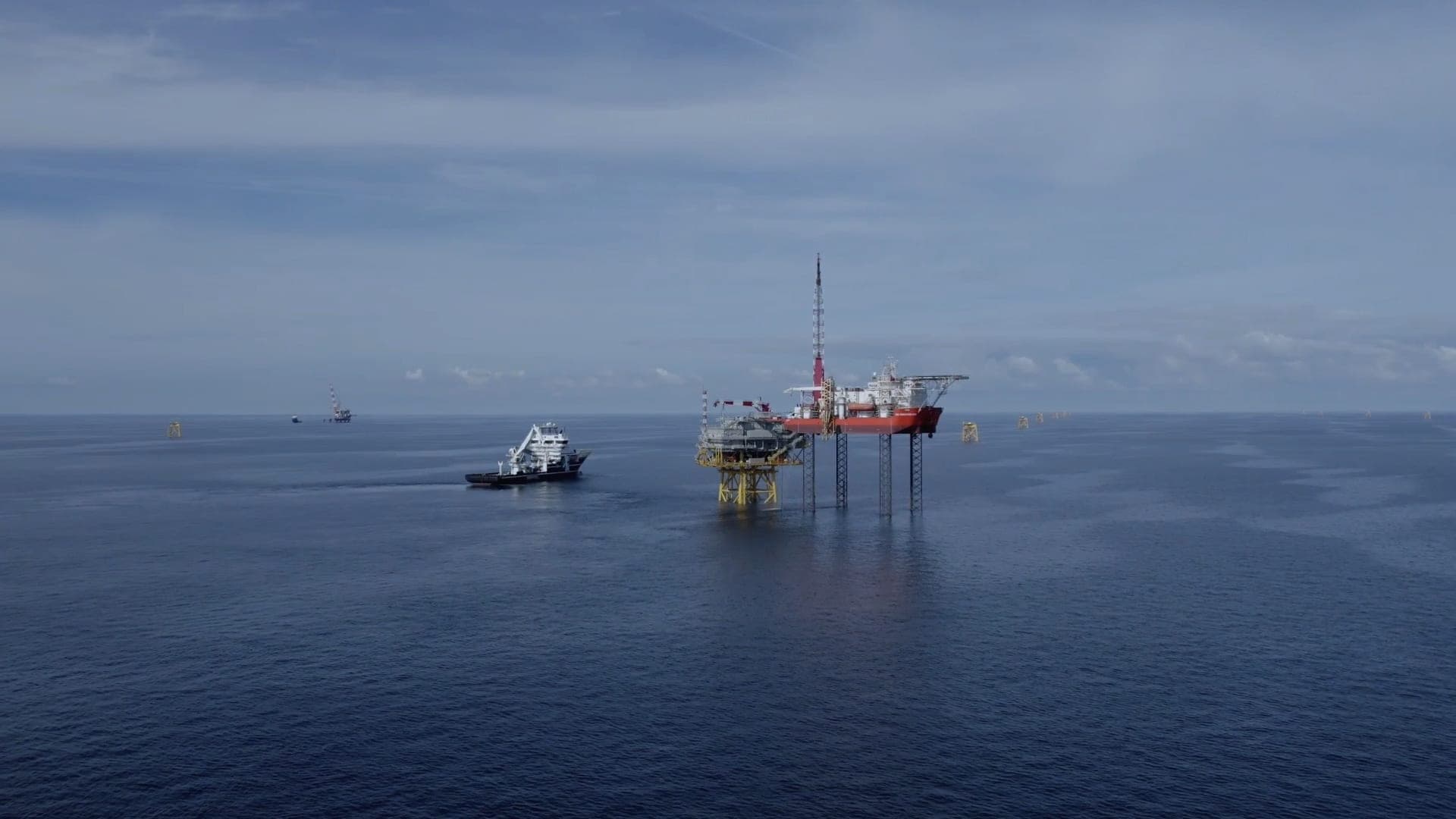
The energy sector is trying to solve modern problems, from booming demand to renewable integration, largely by building more physical infrastructure. New lines and plants take a decade. Many of the gains are available much sooner, in the assets already on the ground.
We may need more hardware. We also need smarter coordination. Optimising existing infrastructure with intelligence unlocks hidden capacity and makes the energy transition economically viable today, not in ten years.
Customers value the scale and reliability of their existing systems. What holds them back is lock in and slow change. Overhauls that take years and cost millions are not the only way forward.
We do not replace your legacy ecosystem. We act as the high speed intelligence layer on top of it, making your existing investments work harder.
Replacing a core operational system is rarely a technology decision alone. It means migrating years of data, retraining teams, revalidating processes and running old and new side by side, all while the network has to keep running. Programmes like that are measured in years, and the value arrives at the end, if it arrives at all.
A layer on top changes the order of things. It starts from the data and systems already in place, proves its value on a real decision, and grows from there.
Each East-West Digital product is built to work with what a customer already runs.
The result is AI that fits the way your operation already works, and that you can start using without replacing anything first.
CAT
Streamlines and accelerates grid compliance assessment for new energy connections.
Learn more
SBA
Turns building data into comfort and energy actions.
Learn more
Insight
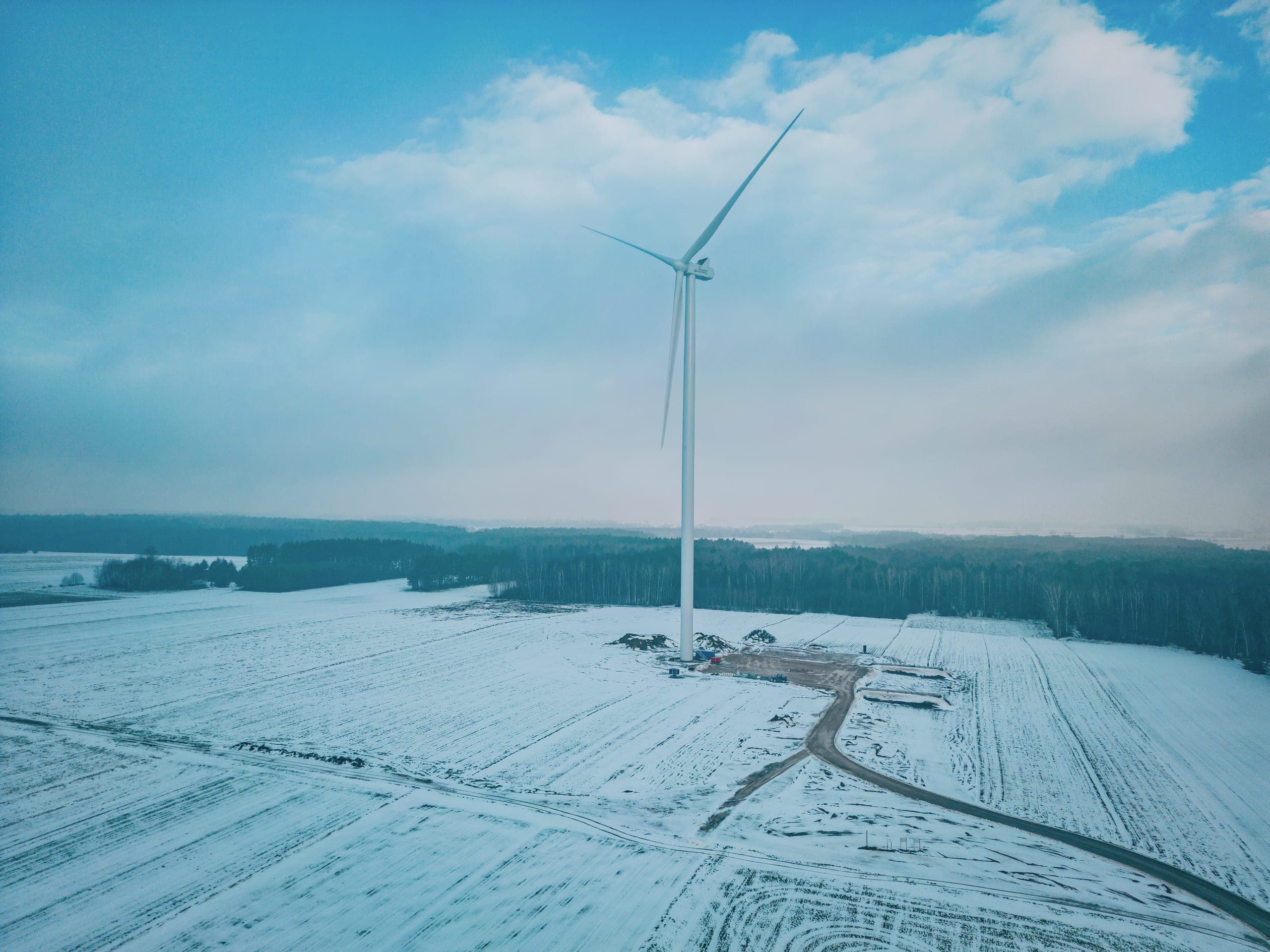
Reactive power penalties look like a fixed cost of running a wind farm. Many of them are not. Here is where they come from, and how operators can see them coming.
11 October 2026 · 4 min read
Insight
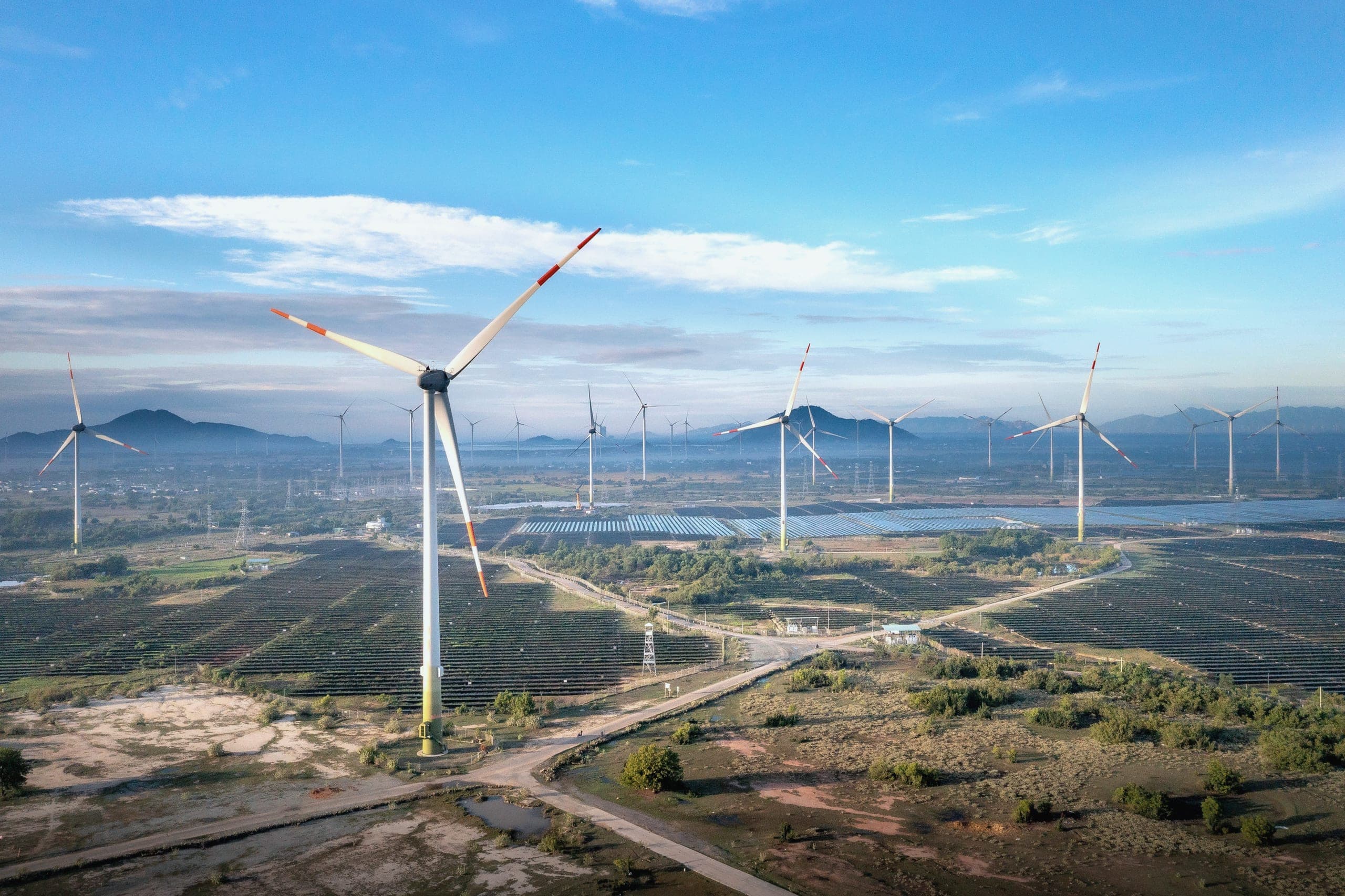
Before a solar or wind plant connects, its models must prove the plant meets the grid code. The studies are thorough, repetitive and slow. Here is how they work, and where time can be saved.
11 October 2026 · 3 min read
Insight
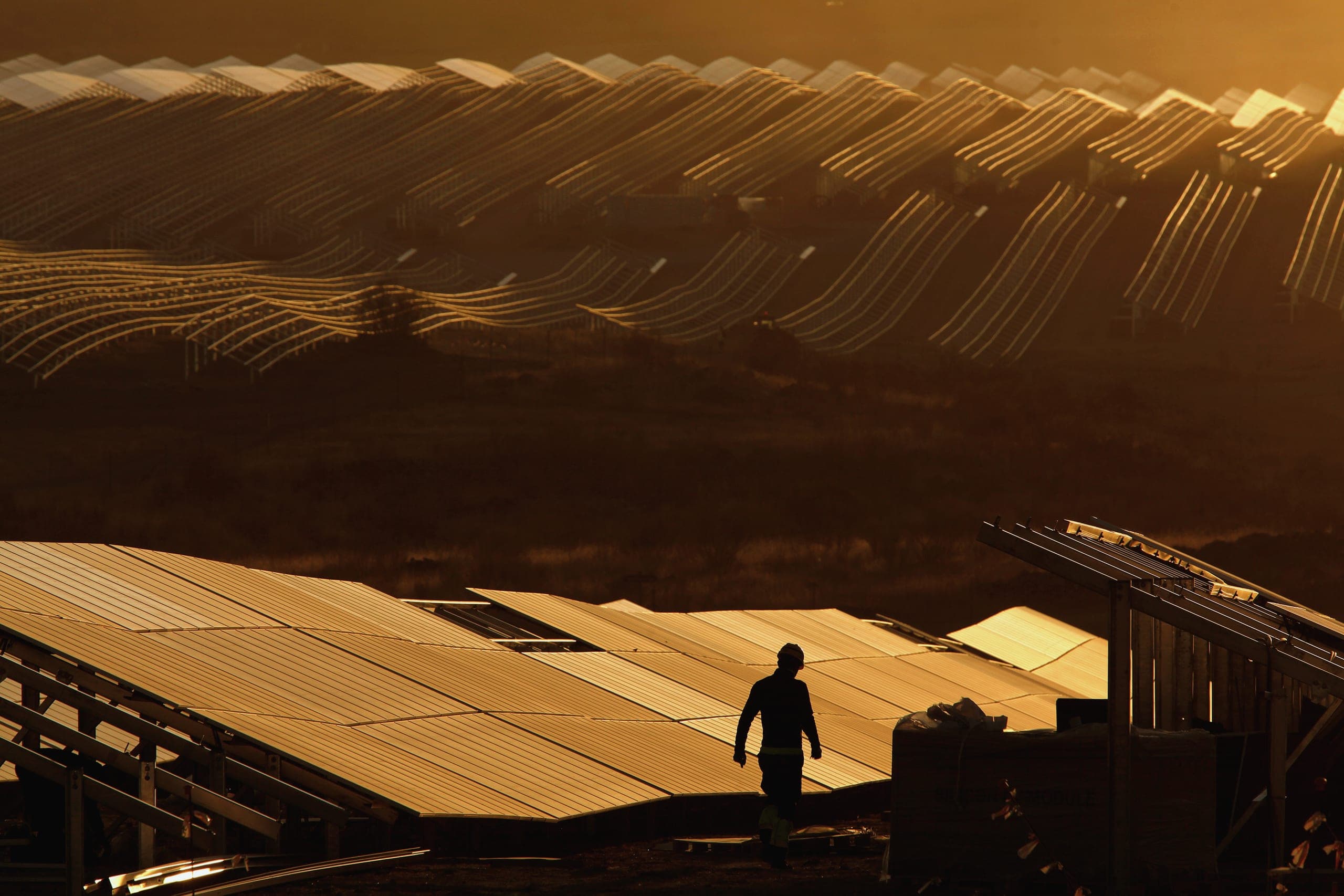
Applications to connect rooftop solar, batteries and other distributed energy resources are arriving faster than utilities can study them. The bottleneck is rarely the engineering itself.
11 October 2026 · 3 min read
We are partners in energy security and efficiency. Tell us where you want to start.