DER Interconnection
Unifies the distribution grid planning lifecycle into a single journey powered by AI.
Learn more
Applications to connect rooftop solar, batteries and other distributed energy resources are arriving faster than utilities can study them. The bottleneck is rarely the engineering itself.
By East-West Digital · 11 October 2026 · 3 min read
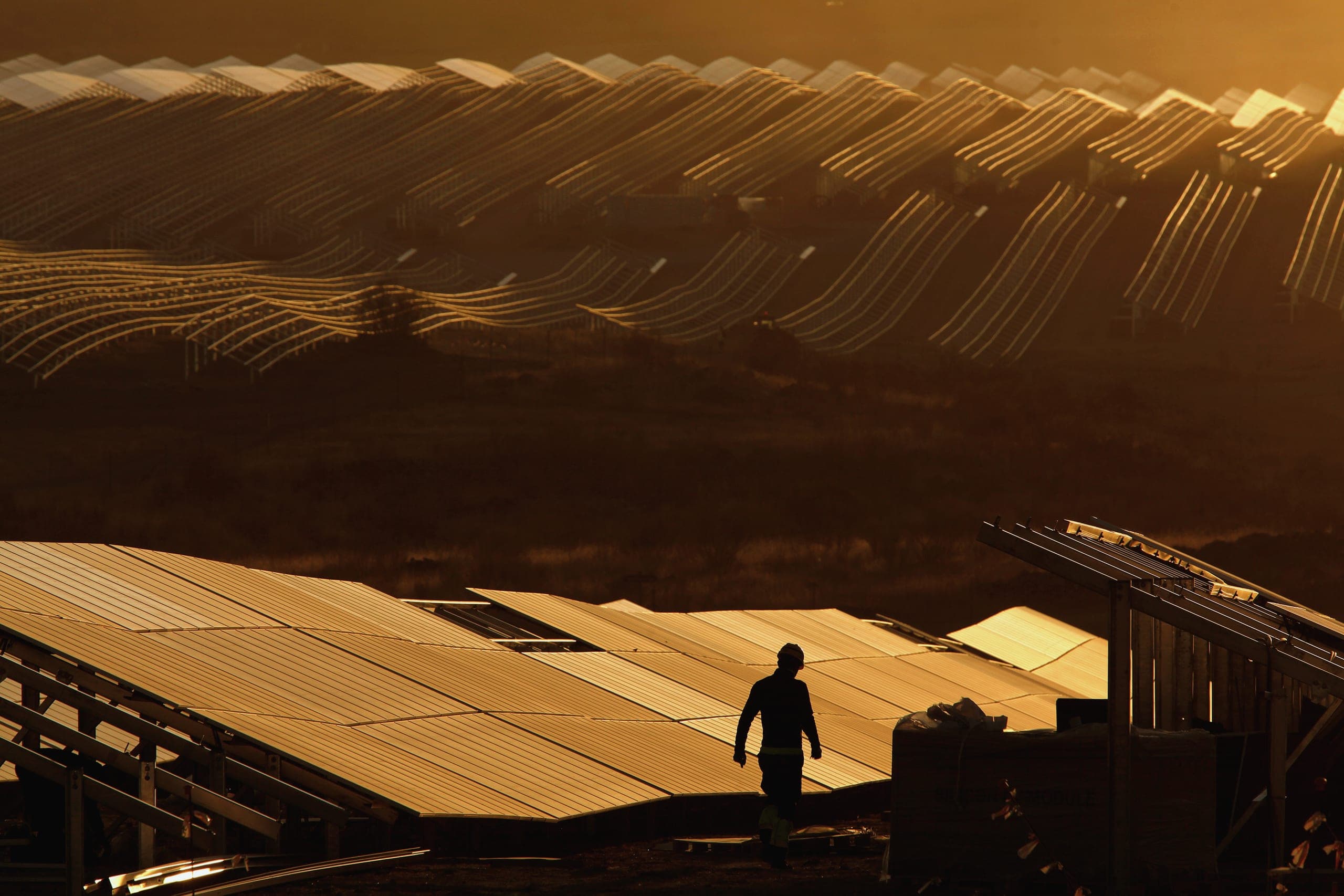
Distributed energy resources, or DER, include rooftop and community solar, batteries, small wind and other generation connected to the distribution network. Each one needs the utility's approval before it connects, and each approval depends on a study. As applications multiply, those studies turn into a queue.
The steps vary between utilities, but most interconnection processes follow a similar path.
In North America, the technical requirements for connecting DER are largely set by IEEE 1547 (opens in a new tab), alongside each utility's own rules. Elsewhere, national grid codes play the same role.
Much of the time an application spends in the queue goes on moving data between tools, not on engineering judgement.
Hosting capacity describes how much new generation a part of the network can accept before voltage or thermal limits are at risk. Where it is well understood, many applications can be screened quickly, and engineering effort goes to the cases near the limit. Where it is not, every application looks like it needs a full study.
The biggest gains come from joining the steps up, rather than speeding up any one of them. DER Interconnection from East-West Digital brings the whole lifecycle into one pipeline powered by AI.
The engineer stays in charge of every decision. What changes is how much of their week goes on engineering.
For larger generators connecting at higher voltages, the same principles apply to grid code compliance studies, covered in how grid code compliance studies work.
Unifies the distribution grid planning lifecycle into a single journey powered by AI.
Learn more
CAT
Streamlines and accelerates grid compliance assessment for new energy connections.
Learn more
Insight
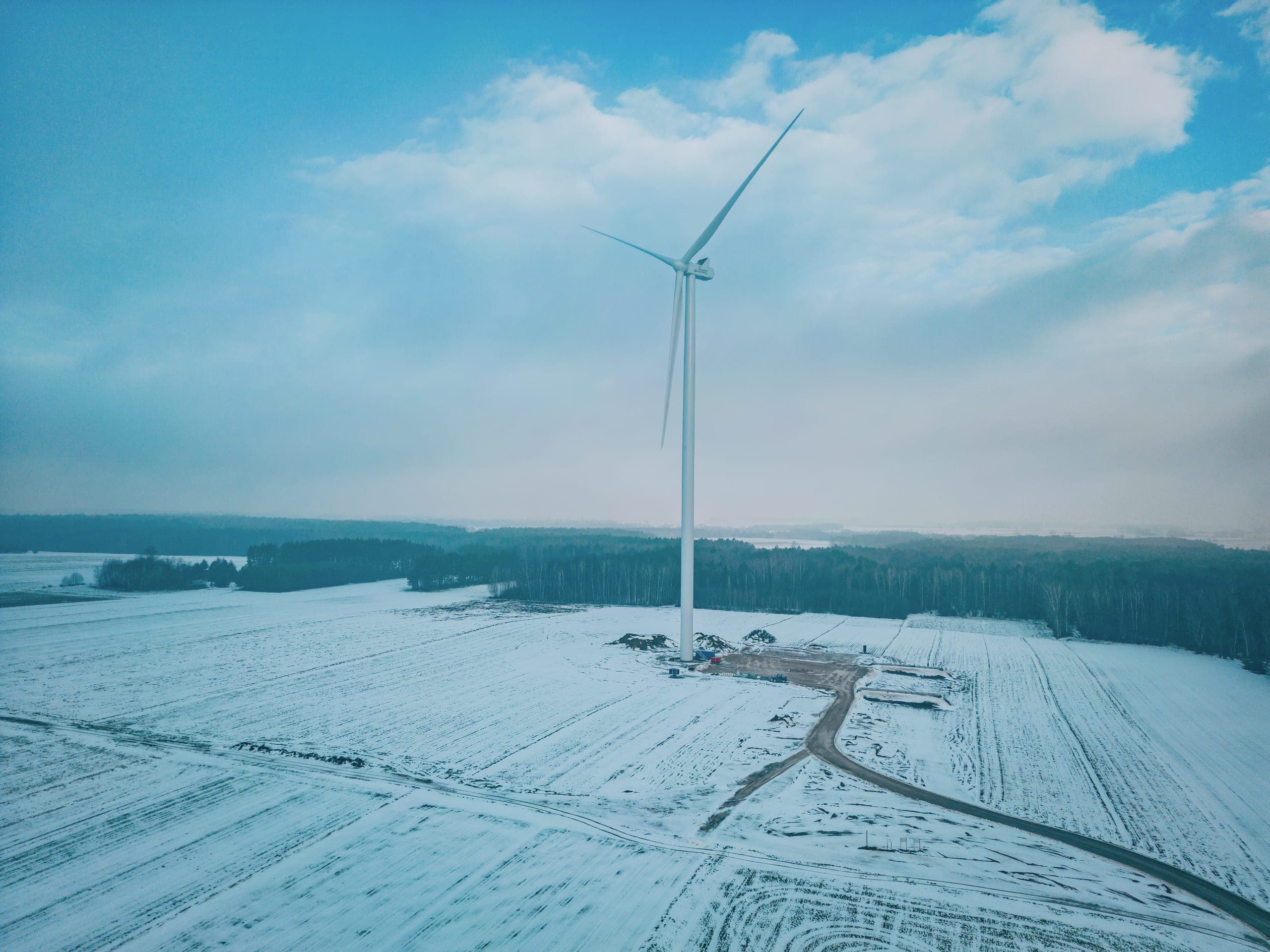
Reactive power penalties look like a fixed cost of running a wind farm. Many of them are not. Here is where they come from, and how operators can see them coming.
11 October 2026 · 4 min read
Insight
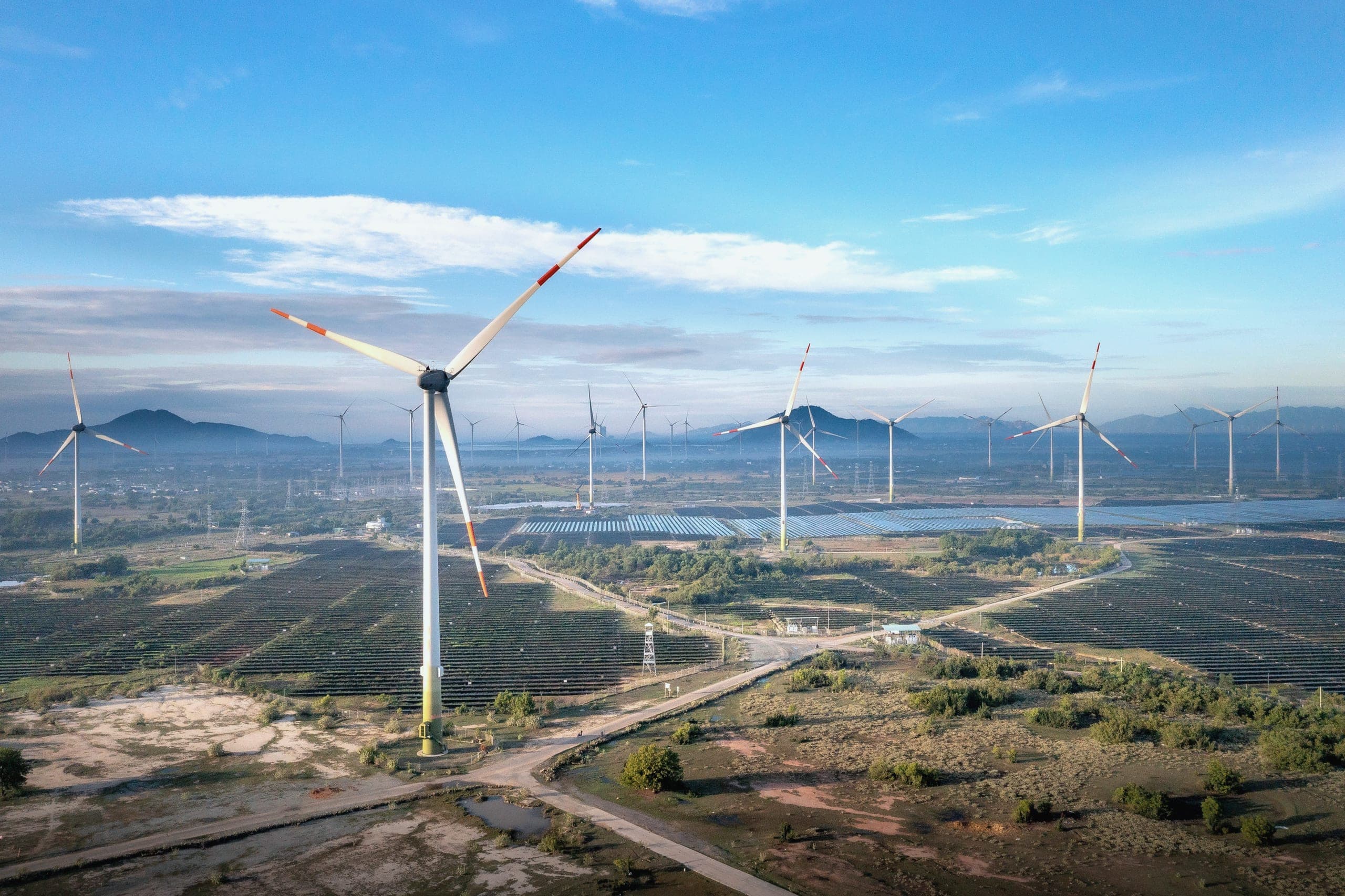
Before a solar or wind plant connects, its models must prove the plant meets the grid code. The studies are thorough, repetitive and slow. Here is how they work, and where time can be saved.
11 October 2026 · 3 min read
Insight
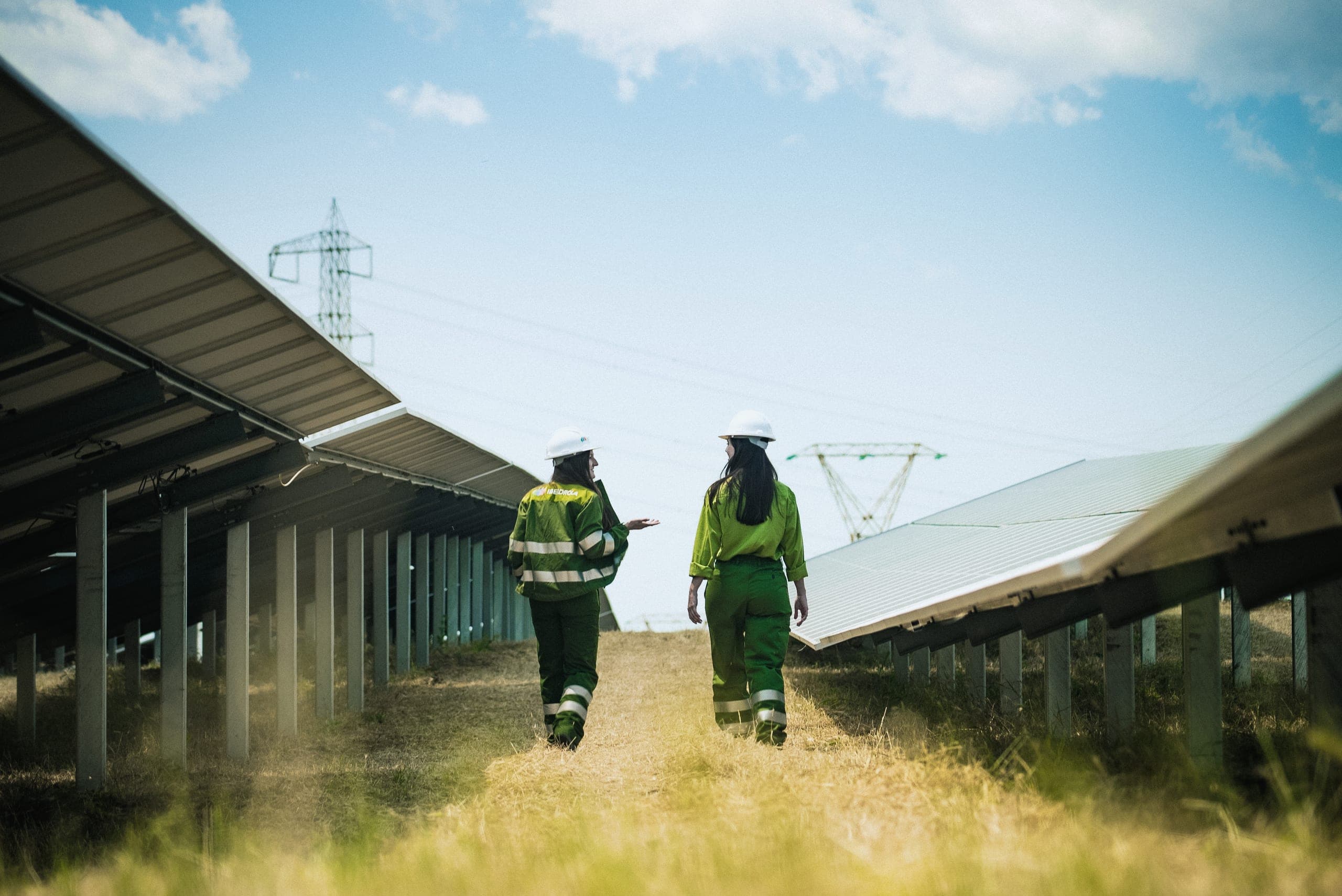
The first wave of energy AI promised a great deal and delivered little. The next one will be judged on one thing, how quickly it pays back.
6 October 2026 · 4 min read
We are partners in energy security and efficiency. Tell us where you want to start.