CAT
Connection Assessment Tool
Streamlines and accelerates grid compliance assessment for new energy connections.
Learn more
Before a solar or wind plant connects, its models must prove the plant meets the grid code. The studies are thorough, repetitive and slow. Here is how they work, and where time can be saved.
By East-West Digital · 11 October 2026 · 3 min read
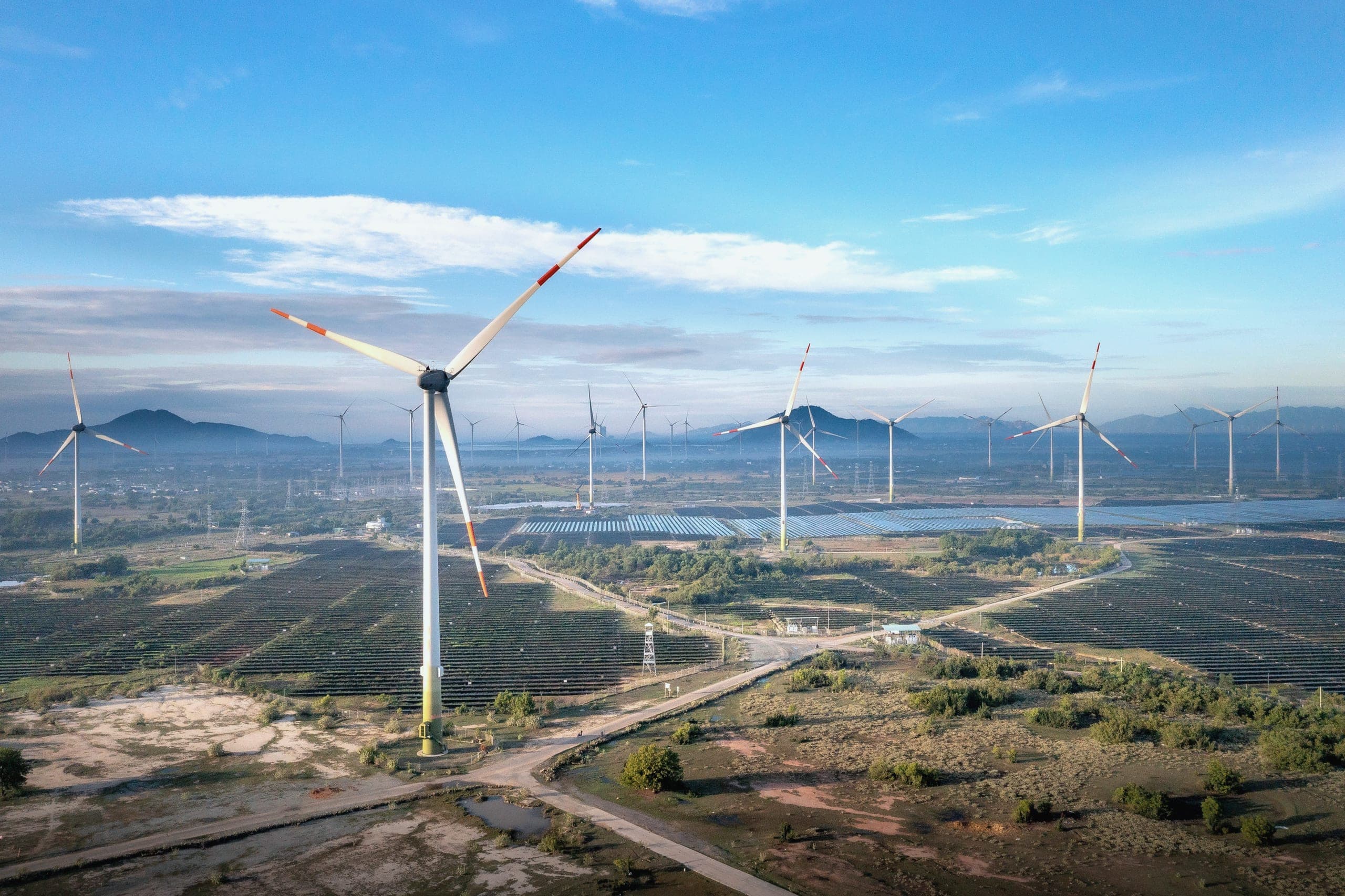
Every new renewable plant has to show that it will behave as the network needs it to, before it is allowed to connect. It shows that through simulation. Engineers build detailed models of the plant, run them through a defined set of tests, and present the results against the requirements of the grid code. The same work is repeated whenever a plant changes, from a controller firmware update to a component outage.
Most compliance work relies on two complementary studies. RMS studies, often run in PSS®E, represent how the plant and the wider system behave over seconds, at the level of the power system as a whole. EMT studies, often run in PSCAD, model the fast electromagnetic behaviour of inverters and their controls in much finer detail.
Each answers a different question, and connection processes increasingly ask for both. In Australia's National Electricity Market, for example, a connection application includes model acceptance test reports for both PSS®E and PSCAD models.
Before a network operator uses a plant model in its own studies, it needs confidence that the model behaves correctly. In Australia, AEMO's modelling requirements (opens in a new tab) include the Dynamic Model Acceptance Test, which runs the model through a defined set of tests on a simple arrangement, so the response observed comes from the plant alone. The results are then assessed against the performance standards set under the National Electricity Rules (opens in a new tab).
The physics is demanding, but much of the effort is not engineering at all. A typical assessment involves local simulation runs, exported result files, plots, spreadsheets, regulatory documents and reports written by hand.
Plant models are proprietary, and owners and vendors are rightly reluctant to send them outside their own environment. A useful approach keeps the models where they are. The Connection Assessment Tool from East-West Digital is built this way.
A note on scope. Today the tool's compliance criteria cover the Australian DMAT and National Electricity Rules workflows. Other grid codes would need their own rule sets.
None of this replaces engineering judgement. It removes the repetitive work around it, so engineers can concentrate on the cases that genuinely need them.
CAT
Streamlines and accelerates grid compliance assessment for new energy connections.
Learn more
Unifies the distribution grid planning lifecycle into a single journey powered by AI.
Learn more
Insight
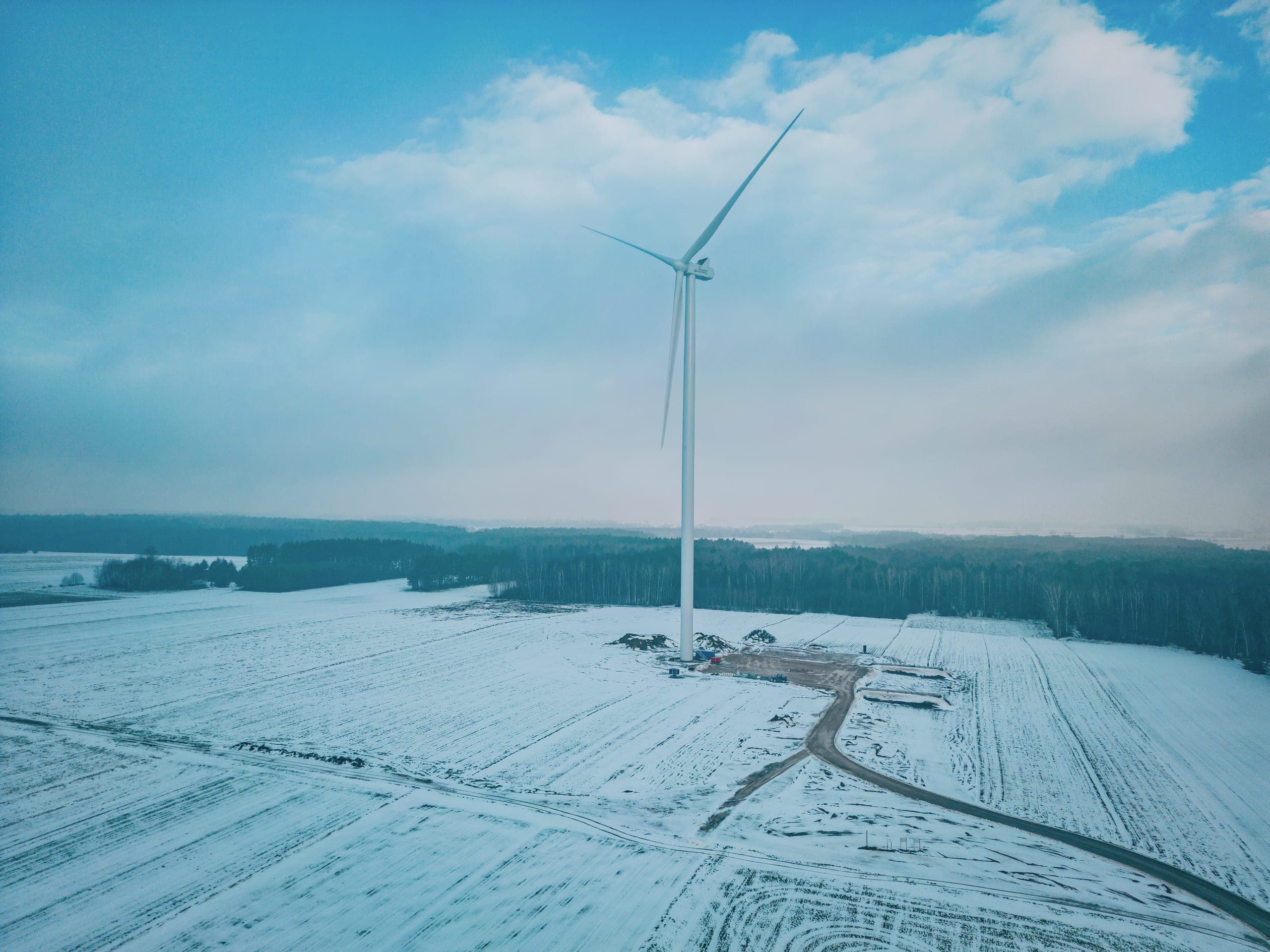
Reactive power penalties look like a fixed cost of running a wind farm. Many of them are not. Here is where they come from, and how operators can see them coming.
11 October 2026 · 4 min read

Insight
Applications to connect rooftop solar, batteries and other distributed energy resources are arriving faster than utilities can study them. The bottleneck is rarely the engineering itself.
11 October 2026 · 3 min read
Insight
The first wave of energy AI promised a great deal and delivered little. The next one will be judged on one thing, how quickly it pays back.
6 October 2026 · 4 min read
We are partners in energy security and efficiency. Tell us where you want to start.