Insight
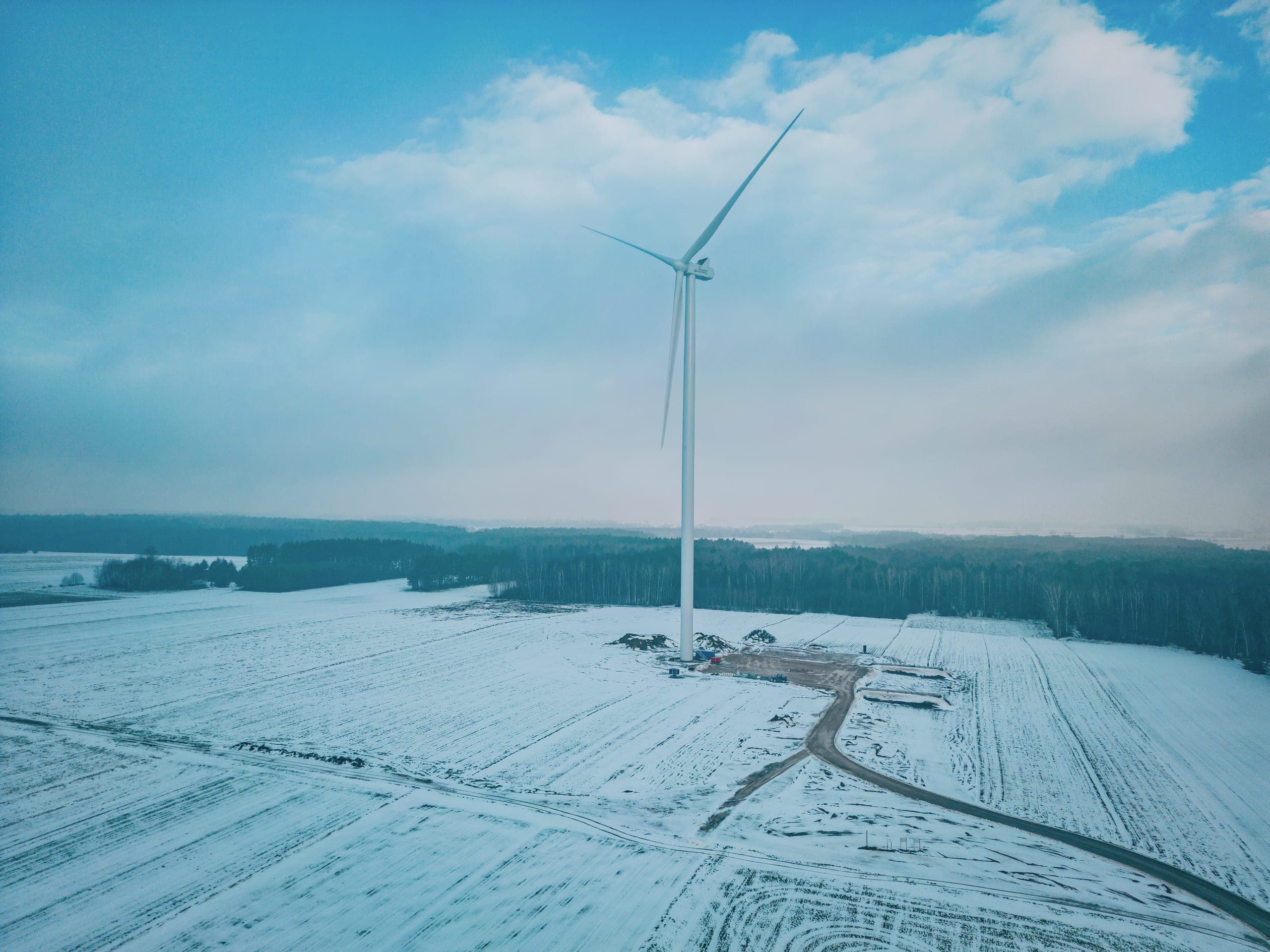
How wind farms can avoid reactive power penalties
Reactive power penalties look like a fixed cost of running a wind farm. Many of them are not. Here is where they come from, and how operators can see them coming.
11 October 2026 · 4 min read
The first wave of energy AI promised a great deal and delivered little. The next one will be judged on one thing, how quickly it pays back.
By East-West Digital · 6 October 2026 · 4 min read
Energy companies have heard the promise of AI many times. What followed was mostly slow and expensive proofs of concept that never made it into the control room. Across the energy sector, 80% of AI initiatives fail to move to deployment, because they do not address real world challenges.
That record has made buyers cautious, and rightly so. The next wave of energy AI will not be judged on how clever its models are. It will be judged on how quickly it changes a real decision on a real network, and on what that decision is worth.
If an AI solution takes 18 months to deploy, it is not a solution. It is a liability. Demand is rising, renewables are changing how grids behave and markets move by the hour. A project that takes years to pay back answers a question nobody is still asking.
We build industrial grade, operational AI engineered to deliver measurable financial and grid returns in weeks, not years.
The pressure is real. The International Energy Agency counts at least 3,000 GW of renewable projects waiting in grid connection queues, and finds that new grid infrastructure often takes five to 15 years to plan, permit and complete, against one to five years for a new renewable project (Electricity Grids and Secure Energy Transitions (opens in a new tab), 2023). Software meant to help with that gap cannot take as long as the hardware it is helping.
Most AI projects in energy do not fail because the mathematics is wrong. They stall for reasons that have little to do with the model.
Each of these adds months before the first useful result. Together they explain why so many pilots end as a presentation rather than a change in how a control room works.
Time to value is not about cutting corners. It comes from three choices made long before a project starts.
Together they turn AI from a programme into a product. You see results on your own data, judge them against a conservative business case, and decide whether to scale.
The quickest way to judge an AI product is to run it on data a team already holds. Historical data is often enough to show what a product would have changed. In a pilot on two operating wind sites, two years of penalty and operating data showed that more than 90% of penalty hours were potentially avoidable, using records the operator already kept.
Other products start from the same place. The Connection Assessment Tool runs studies on engineers' own PSCAD and PSS®E licences and uploads only the results. SentiA Smart Building Analytics connects to the existing building management system with read only access and is up and running in days, not months. In each case the first results come from systems that are already in place.
Time to value is simple to define and easy to blur. It is the time between the decision to start and the first operating decision the system improves, counted in money, compliance or hours saved. Three questions keep it honest.
The last question matters as much as the first two. Fallback built in means a team can start early without putting operations at risk, which is what makes starting early possible at all.
Before the architecture diagrams and the roadmap, ask how long it will take before the system changes a real decision on your network, and what that decision will be worth. If the answer is measured in years, keep looking.
To see how East-West Digital works with customers from the first conversation to a rollout, read our approach, or why we connect to existing systems rather than replace them.
Insight
Reactive power penalties look like a fixed cost of running a wind farm. Many of them are not. Here is where they come from, and how operators can see them coming.
11 October 2026 · 4 min read
Insight
Before a solar or wind plant connects, its models must prove the plant meets the grid code. The studies are thorough, repetitive and slow. Here is how they work, and where time can be saved.
11 October 2026 · 3 min read

Insight
Applications to connect rooftop solar, batteries and other distributed energy resources are arriving faster than utilities can study them. The bottleneck is rarely the engineering itself.
11 October 2026 · 3 min read
We are partners in energy security and efficiency. Tell us where you want to start.